
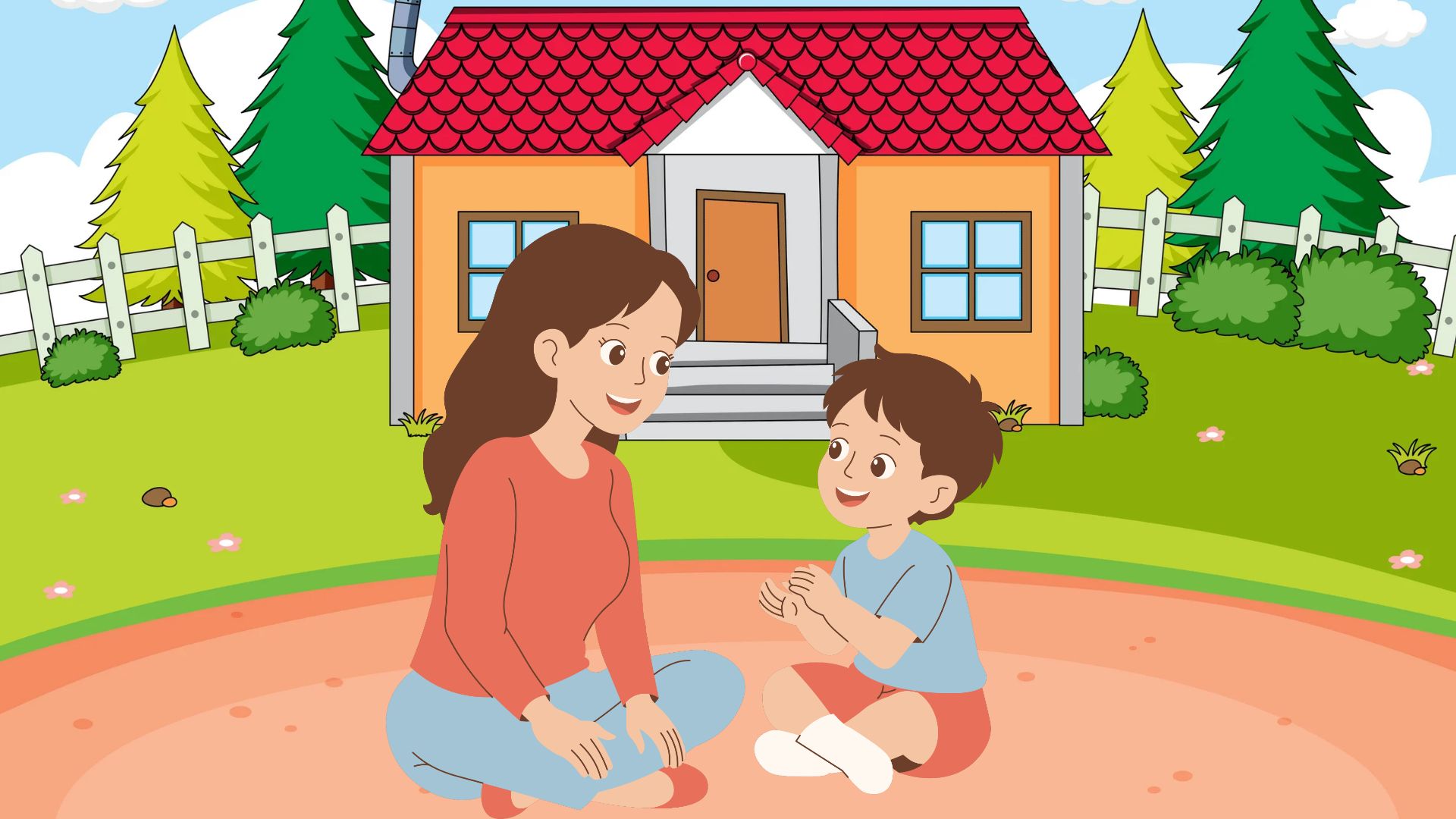
Every afternoon, I see a mother waiting outside our school for her 18-year-old son. As soon as he steps out of the classroom, she helps him get ready for the journey home. She bends down to put on his sandals, gently wipes his face, gathers his belongings, and holds his hand as they walk towards the bus stop together.
Over time, the scene has become familiar. There is something deeply touching about it. In every gesture, I can see a mother's love, concern, and unwavering commitment to her child. She is a single mother who has spent years protecting her son in a world that has not always been kind or accepting. Every small act reflects years of sacrifice, responsibility and hope.
Yet, every time I watch them walk away, one question returns to my mind. How do we know when our support is building independence ... and when it is quietly replacing it?
It is one of the most difficult questions I have encountered in my years as a special educator – not because parents love their children too much, but because love itself must evolve as children grow.
Parents of children with intellectual disabilities often carry a burden that few people truly understand. Their lives are shaped by constant vigilance — protecting their children from harm, misunderstanding, exploitation, and rejection. They worry about the present, but even more about the future. ‘Who will care for my child when I am no longer here?’ is a question that quietly accompanies many families every day.
Seen through this lens, protectiveness is not a weakness. It is love shaped by fear. No parent intentionally sets out to make their child dependent. Yet dependency sometimes develops not because parents do too little, but because, with the best of intentions, they do too much.
More than fifty years ago, disability advocate Robert Perske challenged the way society thought about care. In 1972, he introduced the concept of the Dignity of Risk. Perske argued that every person, including a person with a disability, has the right to experience reasonable risks, make mistakes, learn from those mistakes, and gradually become more independent. Protecting people from every possible failure, he warned, may also protect them from confidence, responsibility, and personal growth. His message was never about withdrawing support. It was about ensuring that support does not replace opportunity.
When I first read about the Dignity of Risk, I realised that I see its absence almost every day.
The teenager whose parent still carries his school bag even though he is capable of carrying it himself.
The student who has never been allowed to order food at a restaurant.
The girl whose clothes are chosen for her every morning.
The young man who has never handled money because everyone assumes he might make a mistake.
Individually, these moments appear insignificant. Together, they send a powerful message: You don't need to try. Someone else will do it for you.
Dependency is rarely created by one major decision. It grows quietly.
One shoe tied because it is quicker.
One answer given because we are in a hurry.
One decision made because it feels safer.
One opportunity taken away because failure makes us uncomfortable.
None of these actions seem harmful on their own. Repeated over years, they begin teaching a lesson that no parent ever intends to teach: You cannot manage without me.
Research in the field of intellectual disability has consistently shown that self-determination—the ability to make choices, solve problems, and exercise control over one's own life — is closely linked to better quality of life, greater confidence, and stronger participation in society. Disability researcher Michael L Wehmeyer has demonstrated that self-determination develops through repeated opportunities to make decisions, accept responsibility, and learn from experience.
Confidence does not grow because everything is done correctly. It grows because people are trusted enough to try. This does not mean expecting every person with an intellectual disability to become completely independent. Support will always remain essential. The question is not whether support should be provided. It is whether our support prepares a person to do more tomorrow than they could do today.
The goal is to move from asking, "Can I do this for my child?" to asking, "Can my child do this with just enough support from me?"
That shift transforms support from something that creates dependency into something that builds independence. As professionals, we must ask ourselves the same question.
Teachers sometimes complete tasks because it saves time. Therapists may step in before giving the child enough time to attempt an activity. Caregivers often assume that helping is always better than waiting.
Even with the best intentions, we can unintentionally reduce opportunities for growth. That is why I chose the title of this article as The Fine Line We Often Miss.
Because this conversation is not only about parents. It is about all of us. Every parent wants to protect their child. That instinct should never disappear. But as children grow, protection must also evolve. Sometimes the greatest act of love is not doing more for our children. It is believing they can do more for themselves. Real protection is not removing every obstacle from their path. It is giving them the confidence to face those obstacles, knowing someone believes in their abilities. That is the dignity of risk. And perhaps that is the fine line we often miss.
Comments (0)
Please login to post a comment.
No comments yet. Be the first to comment!