
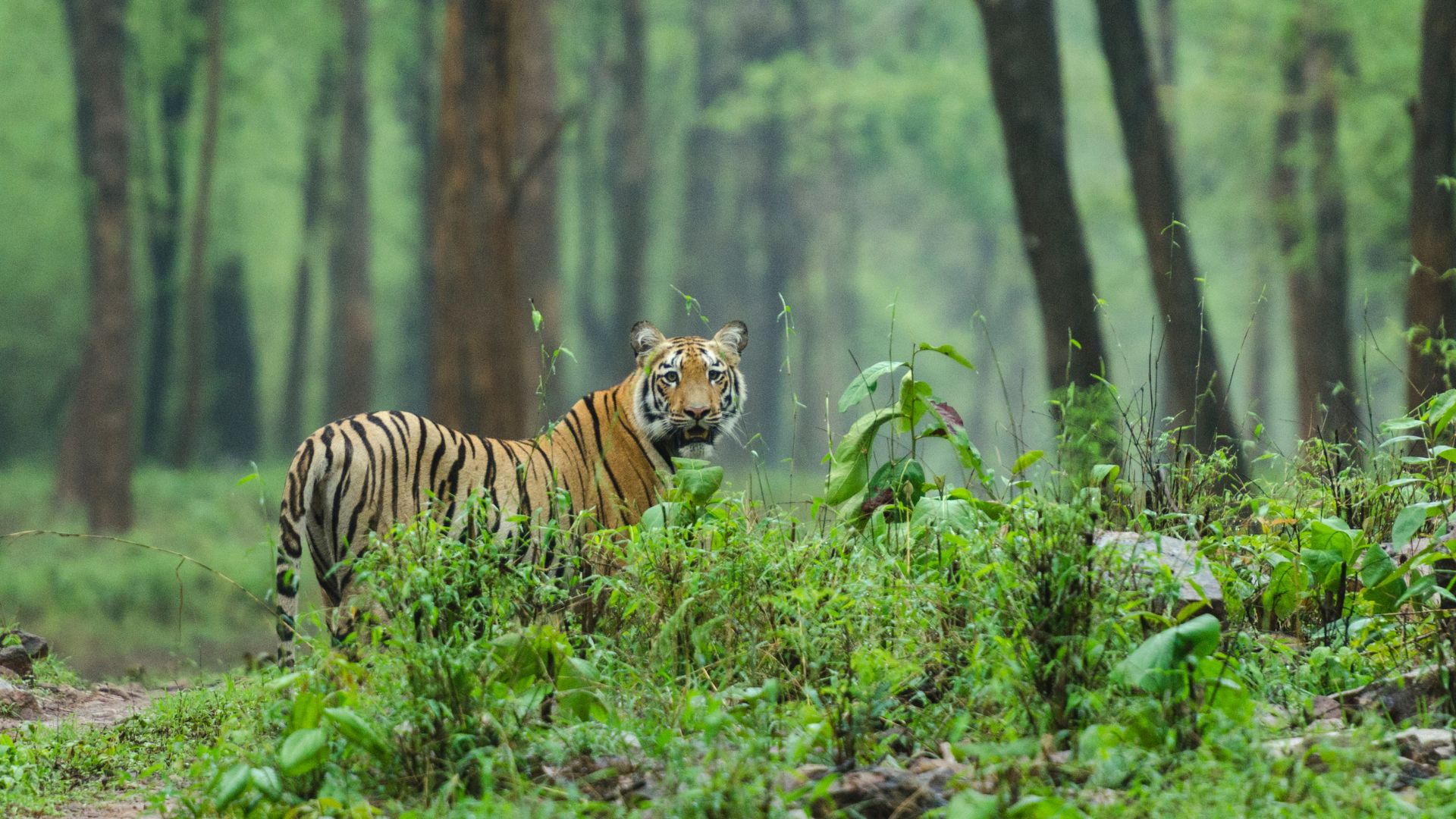
The forests where tigers are rarely seen deserve protection. Does that sentence sound right? In the context of the ongoing debate of whether the state is a permanent residence for the tiger or the animal just passes through, some would perhaps argue that the statement is erroneous. But, there are strong arguments to defend this statement.
The tiger roams the forests of Goa, but sightings have been few and far between. It is so rare to spot the tiger in the wild that only a miniscule few have had the opportunity. Not many of us have even heard it roar from within the dense canopy of the trees, but their presence lingers, has been documented and cannot be ignored. Captured during the tiger census via the camera trap and enumerated from their droppings, the fact that the tiger does prowl the forests of Goa has been established.
What, then, is being done to protect the tiger and its environment? July 29, International Tiger Day comes as a timely reminder that the tigers in Goa need to be protected. Yet, it’s fifteen years since the then Union Minister Jairam Ramesh in June 2011 had written to the state government seeking a proposal to declare Mhadei Wildlife Sanctuary as a Tiger Reserve, and the proposal has still not gone to the Centre.
In July 2023, the High Court of Bombay at Goa, passing an order on a petition, directed the state government to declare the Mhadei sanctuary and other regions a ‘tiger reserve’ as per the National Tiger Conservation Authority (NTCA) recommendations. The state government challenged this order in the Supreme Court through a special leave petition. The Supreme Court directed a Central Empowered Committee to assess the local stakeholders’ views and report back. The report of the Central Empowered Committee recommended that the tiger reserve be set up in a phased manner, a suggestion that Goa has not found to be acceptable.
The issue remains lost in the woods, and on International Tiger Day, there would possibly be more headlines and speeches on tiger conservation than actual efforts to protect the big cat. One reason for this is the continuing debate on whether Goa is a tiger habitat or not. But, rather than get entangled in this discussion, it is pertinent to note that scientists do recognise that wildlife needs connected landscapes to safely move between habitats, so even if Goa is merely a corridor, then this corridor needs protection.
Tiger numbers are dwindling, saving them is of utmost importance. In doing so, we would be saving not just one animal species, but contributing towards healthier forests, a thriving biodiversity and ecosystems that support other forms of life. At the top of the forest food chain, tigers help regulate herbivore populations, ensuring that the forests remain balanced. In turn, a healthy forest, provides clean water, stores carbon, supports pollinators and helps mitigate the impacts of climate change. Besides, the Western Ghats are a biodiversity hotspot. Conserving tigers will help preserve this rich ecosystem while ensuring that the tiger has a home or a safe passage.
Tigers, it has been proven, cannot survive in isolated pockets of forests. The young male tiger is known to travel hundreds of kilometres before establishing his territory. The future of the tiger may depend not only on where it lives today, but also on where it can safely travel to tomorrow. So, instead of debating whether Goa is their permanent residence or just a corridor for the predator to pass through, it is essential to protect that habitat for either, or both, reasons.
Media reports state that since 2009, there have been six tiger deaths in the state, the latest coming to light in May this year when the carcass of a tiger was found in Sacorda, within the Bhagwan Mahavir Wildlife Sanctuary. This itself is enough reasons to protect the tiger. Why do we need any other?
Goa can make a difference. It will never rival the larger tiger reserves in area and population size, but it can contribute in safeguarding the forests where the tiger roams, roars and lives. International Tiger Day is perhaps the best time to make a commitment to protect the tiger and begin efforts towards this. Otherwise, it remains just a day for photo ops and rhetoric.
Comments (0)
Please login to post a comment.
No comments yet. Be the first to comment!