
Goa has apparently kick-started the 2026–27 international tourism season with a bang.
However, the anticipated surge in footfall remains highly debatable. Despite promises of over 45,000 charter tourists, the claim that operating two functional airports at Dabolim and Mopa will miraculously double local fortunes seems overly optimistic.
To top it all off, the government has enthusiastically poured two crore rupees into flight incentives and is actively marketing its new campaign, ‘Goa Beyond Beaches.’
It all sounds wonderful on paper. Yet, anyone who steps out onto a Goan road during the winter peak knows the ground reality is a far cry from the glossy tourism brochures. Potential is a great thing to talk about in air-conditioned drawing rooms, but destination readiness is an entirely different beast.
An expanded aviation pipeline yields little benefit if our internal transport infrastructure remains severely outdated.
As thousands step out of our shiny new terminals, they are immediately greeted by the age-old nightmare of unregulated road congestion and the notorious, unchecked tyranny of overcharging local taxis. Despite years of complaints from locals and visitors alike, a transparent, state-wide digital taxi aggregator remains a distant dream.
Instead of addressing these core infrastructure bottlenecks, our policymakers seem content to live in a state of perpetual denial. When data indicates a slump or visitors complain about aggressive touts on the beach, the response from the tourism department is always the same: a flurry of assertions, absolute denials, and finger-pointing at external factors.
The state cannot simply wish away structural vulnerabilities with slick advertisements. The math is simple: if you bring in more people without widening the metaphorical and literal pipelines, the system collapses.
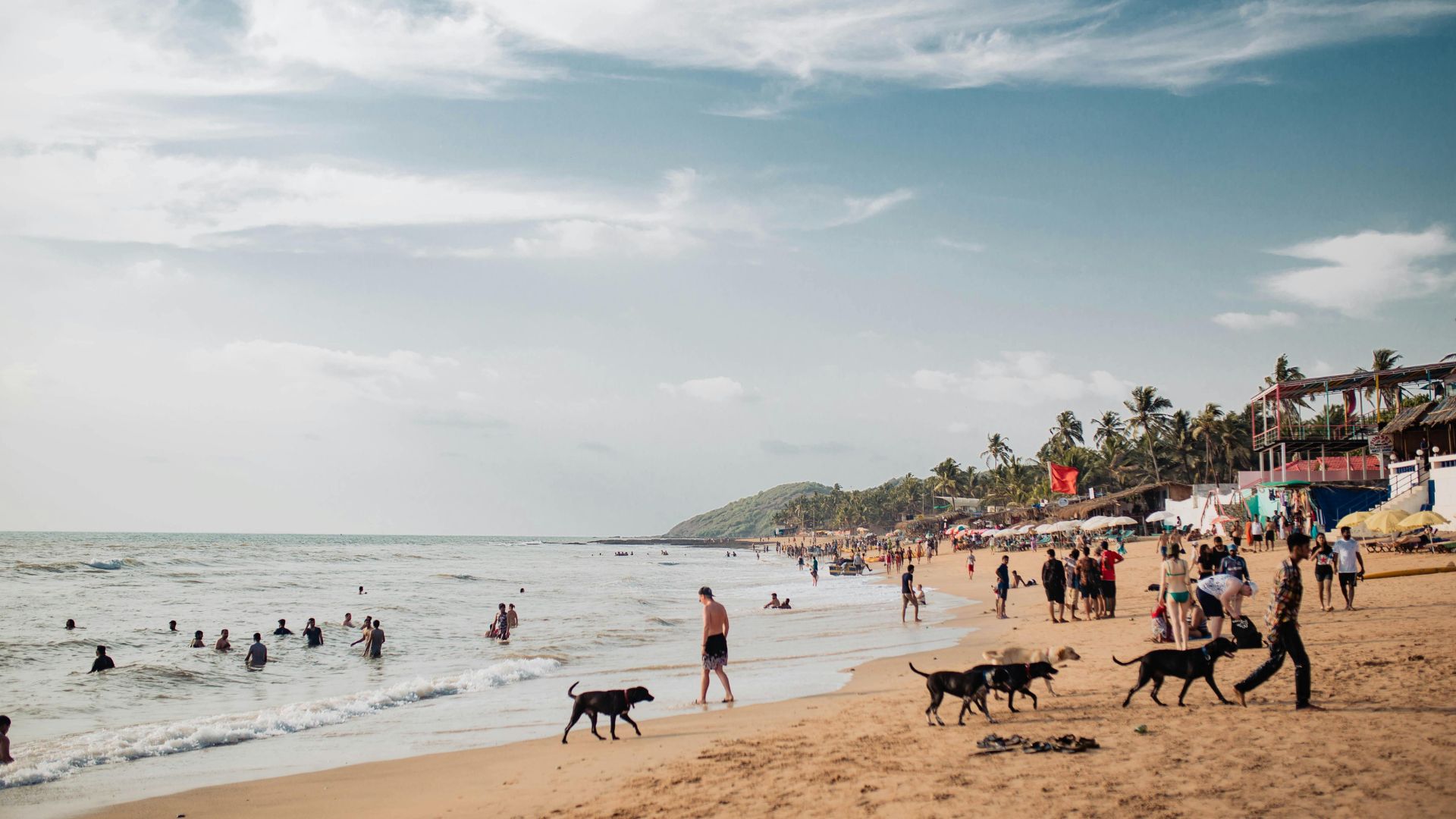
Now, the spotlight has shifted to the hinterlands. While the coastlines choke under the weight of unmanaged plastic waste and raw sewage, we are told to look inland.
But, how do you promote village tourism when the interior districts lack basic last-mile connectivity, reliable cellular signals, and clean public toilets? The coastal hubs thrive because they have an established, albeit strained, ecosystem of dining and hospitality.
In contrast, our interior corridors are entirely unprepared for a sudden, massive influx of footprints. Merely declaring a scenic waterfall or a heritage trail open to the public is an open invitation to duplicate the same environmental degradation that has already ruined our once-pristine beach belts.
Ecologically sensitive zones have strict, low carrying capacities. Flooding them with vehicles and daytime visitors will only result in trash-strewn forests and polluted rivers.
If the ‘Goa Beyond Beaches’ campaign is to be anything more than a superficial marketing gimmick, it must start at the grassroots.
Rural communities cannot be treated as mere backdrops for tourist selfies. Local youth must be trained, certified, and empowered as the actual custodians of their villages’ heritage, ensuring that the economic fruits of this season don’t just line the pockets of elite coastal resort owners.
This transition into hinterland and cultural tourism is completely meaningless if the locals are pushed out of the equation.
Furthermore, we cannot let the heavily saturated beach belts decay under the weight of unmanaged nightlife while we focus on the interior. Our marine ecosystems and crumbling sand dunes require immediate, aggressive intervention.
Upgrading Goa's coastal infrastructure means implementing strict zero-liquid-discharge mandates for commercial establishments, ensuring that untreated sewage stops leaching into the Arabian Sea.
Preserving the core identity of the coast is a prerequisite for making the interior corridors attractive. A degraded coastline will inevitably tarnish the overall brand of the state.
Goa has long been paralyzed by fragmented governance, where one department handles the roads, another fails at waste management, and a third spends money on foreign promotional tours. This systemic paralysis ensures that long-term master plans never leave the filing cabinet.
What we urgently need is a singular, autonomous tourism authority with the legal teeth to crack down on illegal beach commerce and enforce transparent pricing in local transportation.
The window for passive governance and empty press releases has closed. Unless the authorities wake up from their slumber, embrace real-time data to manage crowds, and bridge the gap between ambitious policies and ground-level discipline, our coastal paradise risks being remembered not for its legendary hospitality, but as a textbook example of unmanaged chaos.
Pachu Menon is a senior columnist and author of seven books. Besides touching on topics of national interest, he writes incisively on Goan politics, tourism, and social change.
Comments (0)
Please login to post a comment.
No comments yet. Be the first to comment!