
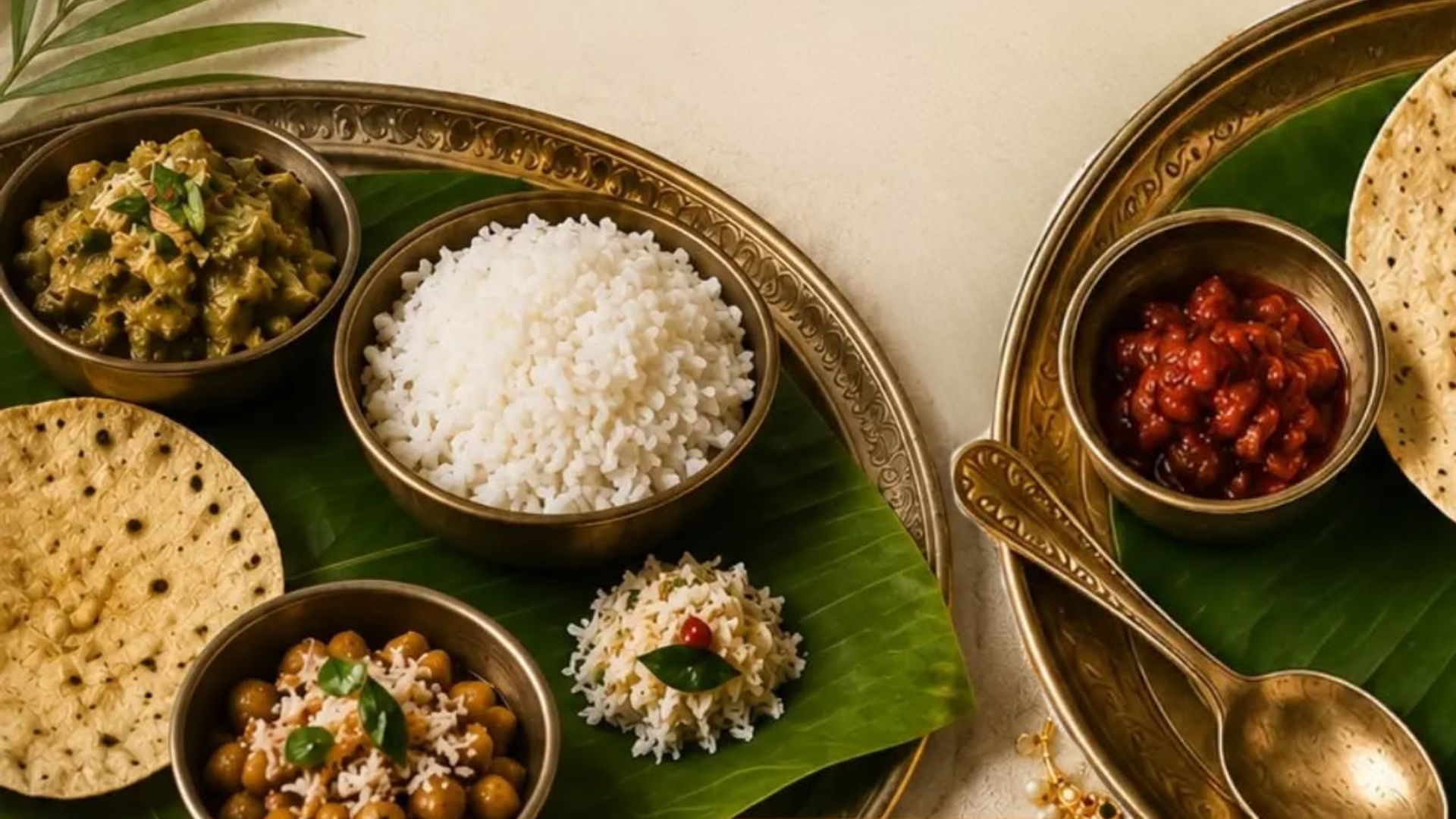
In a few weeks, Goa’s Hindu community will celebrate one of their most important festivals, Ganesh Chaturthi. But, before the festivities can begin, there’s another auspicious time – the holy month of Shravan.
This year, Shravan will be observed for 27 days, marked by a period of devotion, fasting and religious observances. Along with this, the sacred month is also associated with a variety of traditional Goan dishes, with recipes made from seasonal local ingredients and family traditions.
While several delicious dishes are typical of this fasting month, Anjali A Walavalkar – chef, entrepreneur and former General Manager of Hotel Delmon, Panjim, who also has an Instagram account 'Anjali's table' – tells us about 5 of the most popular ones, along with their chief ingredients.
5 TRADITIONAL DISHES OF SHRAVAN
Khakhate: Made using locally grown vegetables, Khakhate includes seasonal vegetables such as karande, marande and madi, along with tur dal and soaked white peas. Freshly grated coconut, turmeric and chilli powder are the main flavourings, while jaggery adds a touch of sweetness.
Mooga Gathi: An all-time favourite, Mooga Gathi is flavourful and prepared with sprouted moong, cashew nuts, coconut, Goan chillies, turmeric, green chillies, tamarind and jaggery. It is tempered (tadka) with hing (Shankar hing), curry leaves and mustard seeds. Simple, nutritious and easy to digest, it is a popular choice during Shravan.
Biyache Tonak: This delicate, thick gravy is also made from cashew nuts. Roasted coconut, poppy seeds, and minimal spices complete the dish. A little chilli powder and turmeric add flavour, while finely chopped potatoes give the gravy its body.
Ambade Uddamethi: A sweet-and-sour gravy, Ambade Uddamethi contains hog plums, freshly grated coconut, Goan chillies, turmeric and jaggery. Its distinctive flavour comes from roasted urad dal, fenugreek seeds and rice, while the baghar adds a tempting aroma.
Alsane Tonak: Alsane Tonak is a thick gravy prepared with local kidney beans, sautéed grated coconut and minimal spices. Boiled, chopped potatoes are added to complete the dish.
UNIQUELY GOAN
The tantalising dishes prepared during Shravan in Goa are connected with the state’s tropical, monsoon climate, crops and food traditions, and differ from the fasting practices in other parts of India, explains Chef Anjali. “Goa has its own distinct variety of vegetables, roots and tubers, and these ingredients are enjoyed during Shravan in Goa, unlike other parts of the country,” she adds.
CHANGING FLAVOURS
Chef Anjali also informs that these special dishes do not necessarily remain the same throughout the month of Shravan. “Every family has their own traditions and ways of preparing food for the different festivals observed during Shravan,” she shares.
And so, with several festivals being observed during this holy month, the dishes prepared differ according to the occasion and family customs, leading to a slight variation in recipes from one household to another, she concludes.
FOR THE SWEET TOOTH
Interestingly, sweet items are an inseparable part of the Shravan menu, and you’ll find delicacies such as Manganne, Kanga Kheer, Maindoli Kelya Halvo among others, says Chef Anjali.
In addition to that, special sweets are prepared on each Sunday of Shravan, with each week featuring a traditional Goan delicacy, which is:
1st Sunday: Mutli — a sweet made with rice, coconut and jaggery.
2nd Sunday: Patoleo — rice-based sweets layered with coconut and jaggery.
3rd Sunday: Uphar — prepared with rice, mung, coconut and jaggery.
4th Sunday: God Pole — made with rice, urad dal, coconut and jaggery.
5th Sunday: Tavsali — a traditional sweet made with cucumber, coconut, jaggery and rice.
Comments (0)
Please login to post a comment.
No comments yet. Be the first to comment!