Key tribal associations and organisations in Goa have been tirelessly working, primarily focusing on the rights and development of tribal communities. Active for several years now, they have been systematically highlighting issues related to tribal welfare, land rights, and cultural preservation in the state.
But, have these efforts been enough!
Tribal communities are often forgotten due to a combination of extreme geographic isolation, systemic marginalisation, lack of political voice, and a deliberate, often violent, push for modernisation that erodes their traditional, oral cultures.
They are frequently excluded from mainstream economic, social, and educational advancements, resulting in high levels of poverty, and in some cases, intentional efforts to keep them isolated or to force their assimilation.
The forgotten status of tribal communities is a result of a development of a model that prioritises rapid industrialisation over the protection of indigenous cultures and rights to their lands.
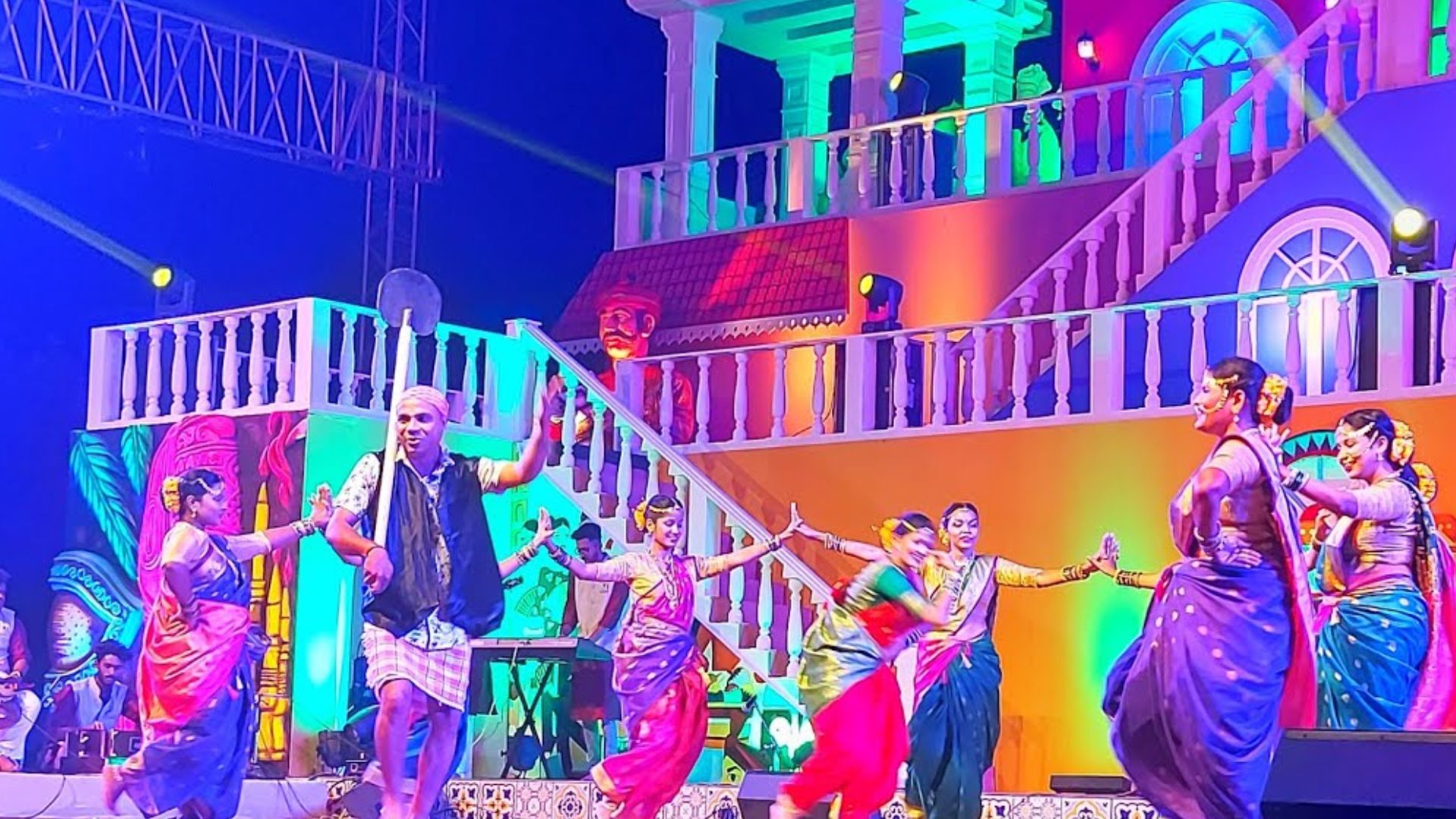
While some views highlight the need to protect the traditional lifestyles of tribal communities, some tribal festivals, like the one in Canacona, are used to celebrate and preserve their culture.
Tribals in Goa, including communities like the Gawda, Kunbi, and Velip are featured in tourism to showcase an authentic, pre-colonial Goan identity and promote sustainable, eco-friendly and cultural tourism beyond the state’s beaches.
This, often called ‘Kunbi-Gawdaization,’ rebrands Goa by emphasising indigenous roots, such as traditional dances, attire, and heritage, through events like the Goa Tribal Festival.
Tribal festivals in Goa have, over the last few years, got a fillip with active government support, increased funding, and strategic efforts to boost cultural tourism.
Events like the ‘Adi Lokotsav’ of Canacona have grown from local gatherings to events of national significance, with participation from tribes across different states.
More importantly, the introduction of the State Level Tribal Sports Festival has helped identify and nurture sporting talent in rural areas, integrating tribal communities into mainstream development.
The Goa government has taken several initiatives to integrate, preserve, and promote tribal festivals and culture, making them a more prominent element of the state’s cultural identity.
These efforts range from organising specific festivals to providing financial support for traditional folk forms. These initiatives aim to bring tribal culture from remote areas into the mainstream, promoting it as a unique, sustainable tourism experience.
It is, however, the manner in which these tribal festivals have often become fleeting, tourism-focused spectacles that fail to deeply engage locals, leading to a loss of cultural authenticity and long-term community relevance which should be more of a concern.
Instead of fostering genuine cultural preservation or pride, these events are frequently reduced to temporary, commercialised spectacles that are quickly forgotten after the event concludes.
Hence, there is a genuine need to reimagine these tribal festival endeavours beyond tourism and chart out a sustainable, community-centric model that prioritises cultural preservation, socio-economic empowerment, and ecological wisdom.
By shifting the focus from sheer footfalls to the quality of engagement, the strategy would be to showcase the pros of a cultural legacy that is multifaceted and deeply rooted in identity.
Tribal festivals are fundamentally living expressions of indigenous identity, ancestral heritage, and spiritual connection to nature, rather than merely tourist attractions.
While they have become popular for tourism, these events are, first and foremost, crucial for community cohesion, preserving traditions, and ensuring the continuity of cultural practices like unique dances, music, and handicrafts.
However, the consensus is that the primary purpose remains the community’s own, with tourism being an auxiliary, and ideally, beneficial, byproduct of that, provided that it does not lead to exploitation or the loss of the festival’s intrinsic meaning.
These tribal festivals would not only be economic drivers for the state, but would also pave the way for tribal entrepreneurship. Tribal belts, across the country, are vast reservoirs of unique craftsmanship and urban produce desperately craved by the high-density commercial hubs located in cities, but rarely accessed.
The frequent conduct of tribal festivals in Goa is a proposal worth considering!
Comments (0)
Please login to post a comment.
No comments yet. Be the first to comment!